Kinds Of Curtain Wall System Its Information, Features And Advantages
Drape wall surface building and construction is a versatile and innovative method to structure design that supplies a range of benefits and advantages. This non-structural cladding system offers a lightweight and aesthetically striking facade while making the most of all-natural light and power efficiency. By recognizing the parts, kinds, and factors to consider of curtain wall surface systems, designers, designers, and building proprietors can utilize their benefits while attending to potential difficulties. Drape wall building and construction is a non-structural cladding system that is made use of to confine the outside of a structure. Unlike standard load-bearing walls, curtain walls are created to sustain their own weight and the lots imposed on them, such as wind and seismic forces.
They're most usual in small structures with low required volumes, yet intricate conditions. Steel framing is making a little a return for polished drape walls thanks to advancements in product grades and forming innovation. While steel is naturally hefty, the best system can sustain bigger wind and glass tons. In the stick drape wall surface system, the components will certainly be constructed item by item on the construction website itself.
Benefits Of Curtain Wall Surfaces
The different sorts of drape wall surface systems include stick-built, unitized, semi-unitized, architectural glazed, point-supported, cable television net, double skin, stone veneer, aluminum, steel, wood, and glass fin. Semi-unitized curtain wall surface systems also use improved effectiveness and speed compared to conventional stick-built systems. Making use of pre-fabricated panels reduces on-site labor and building and construction time, enabling faster installment and reduced expenses. They likewise provide robust security versus wind, extreme weather, fire, and water seepage, while making best use of all-natural light and creating a large indoor setting. The adaptability of drape wall surfaces allows architects to try out different infill products, such as glass, stone veneer, metal panels, louvres, and operable home windows or vents. These products are very carefully chosen to satisfy design and useful needs, guaranteeing both aesthetic appeals and efficiency.
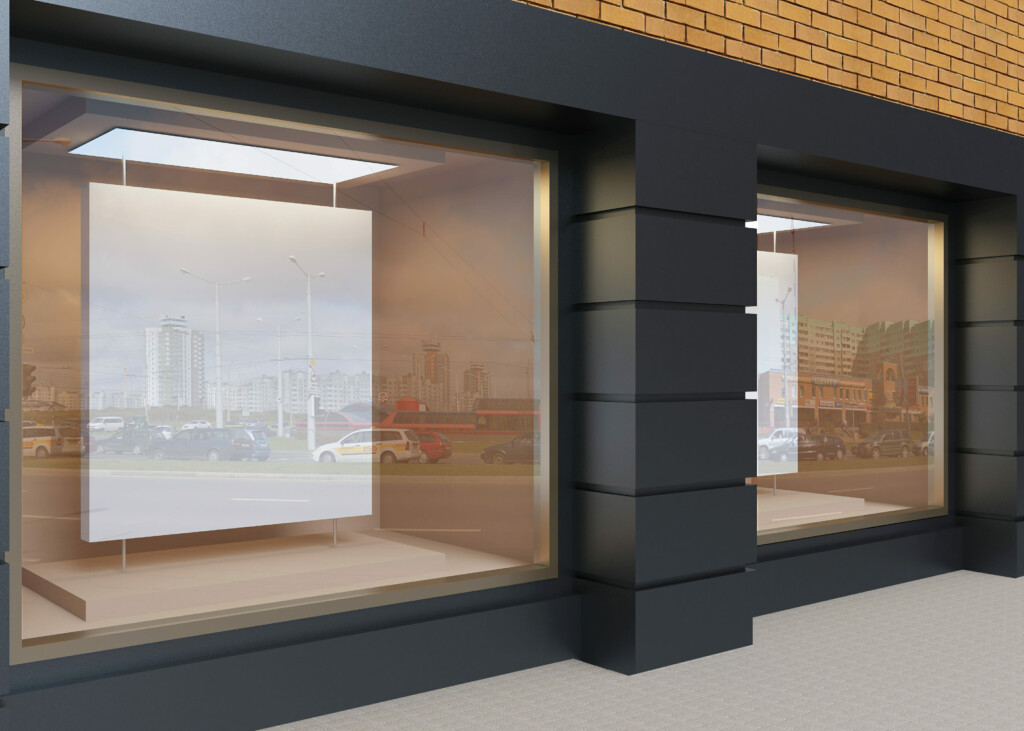
From cost-effectiveness to power effectiveness, layout adaptability, and improved safety, these systems use a wide range of advantages for modern building and construction tasks. Curtain walls may be created as "systems" integrating framework, wall panel, and weatherproofing products. Glass is normally utilized for infill because it can minimize construction expenses, offer an architecturally pleasing look, and allow all-natural light to penetrate deeper within the structure. Nonetheless, glass likewise makes the results of light on aesthetic convenience and solar warmth gain in a structure more difficult to control.
Stick-built Drape Wall Systems
Glass might be made use of which is clear, transparent, or opaque, or in varying degrees thereof. Spandrel or vision glass may https://connerrmcx128.theburnward.com/15-brilliant-small-kitchen-ideas-to-maximize-area-style-easily likewise have transparent glass, which can be for protection or visual objectives. Opaque glass is utilized in locations to hide a column or spandrel beam of light or shear wall behind the drape wall surface. One more method of concealing spandrel locations is via shadow box building and construction (supplying a dark encased area behind the clear or translucent glass). Shadow box building develops an understanding of depth behind the glass that is often wanted. Extremely similar to a stick system, a ladder system has mullions which can be split and Continue reading afterwards either snapped or screwed together consisting of a half box and plate.
Addressing Architectural Integrity, Seismic Resilience, And Thermal Performance
Maintenance tasks might include cleaning up the glass panels, evaluating the structure and sealant for damages, and changing damaged elements as required. The lifespan of a drape wall system will depend upon a variety of variables, including the kind of system, product option, and maintenance techniques. Typically, drape wall systems have a lifespan of years or even more, and can last even much longer with correct upkeep.
Direct exposure to the elements requires mindful choice of external-facing products. Plastics and plastic-coated choices are practical options if they abide by fire guidelines described in relevant papers. One prominent selection is vitreous enamelled steel or aluminium sheets (0.7-0.8 mm thickness).
- These products ought to have inherent fire resistance residential or commercial properties or be treated with fire-retardant finishings to qualify as protected locations as specified in the policies.Typically, drape wall systems have a life-span of years or more, and can last even longer with correct maintenance.Collaborating with a certified design specialist can aid guarantee the most effective system is selected for the particular project requirements.In skyscrapers, they are particularly important for maintaining a comfortable temperature level for residents.
